
Home · Our teachers
Two mathematicians who teach the way they learned.
By building things, asking why, and refusing to let a student believe they are bad at math.
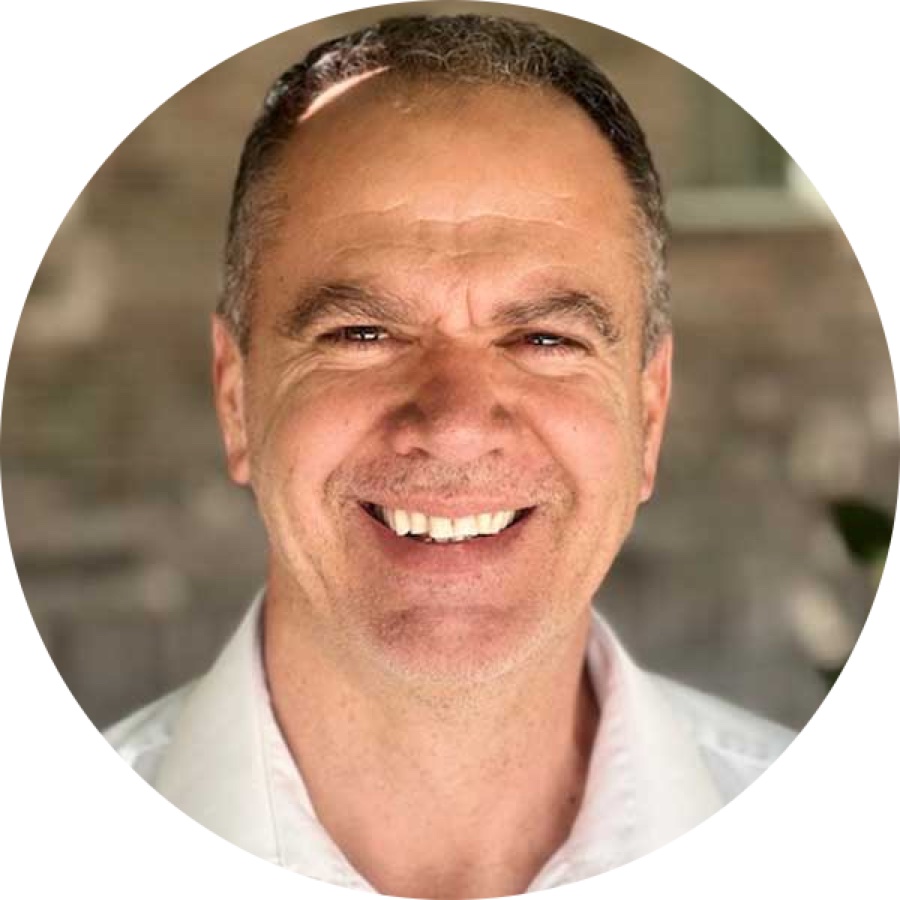
Gesse Rosa
Engineer, physicist, teacher
- BS Chemical Engineering, BYU
- Chemistry and Physics, University of Utah
- Two peer-reviewed papers
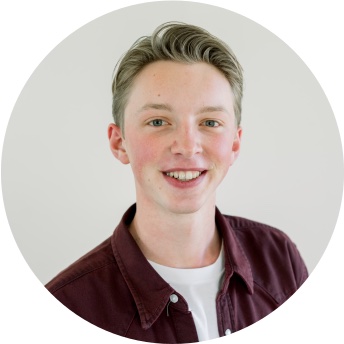
Conner Darling
Artist, designer, mathematician
- Gesse's student from thirteen
- Teaching since 2025
- Training as an architect
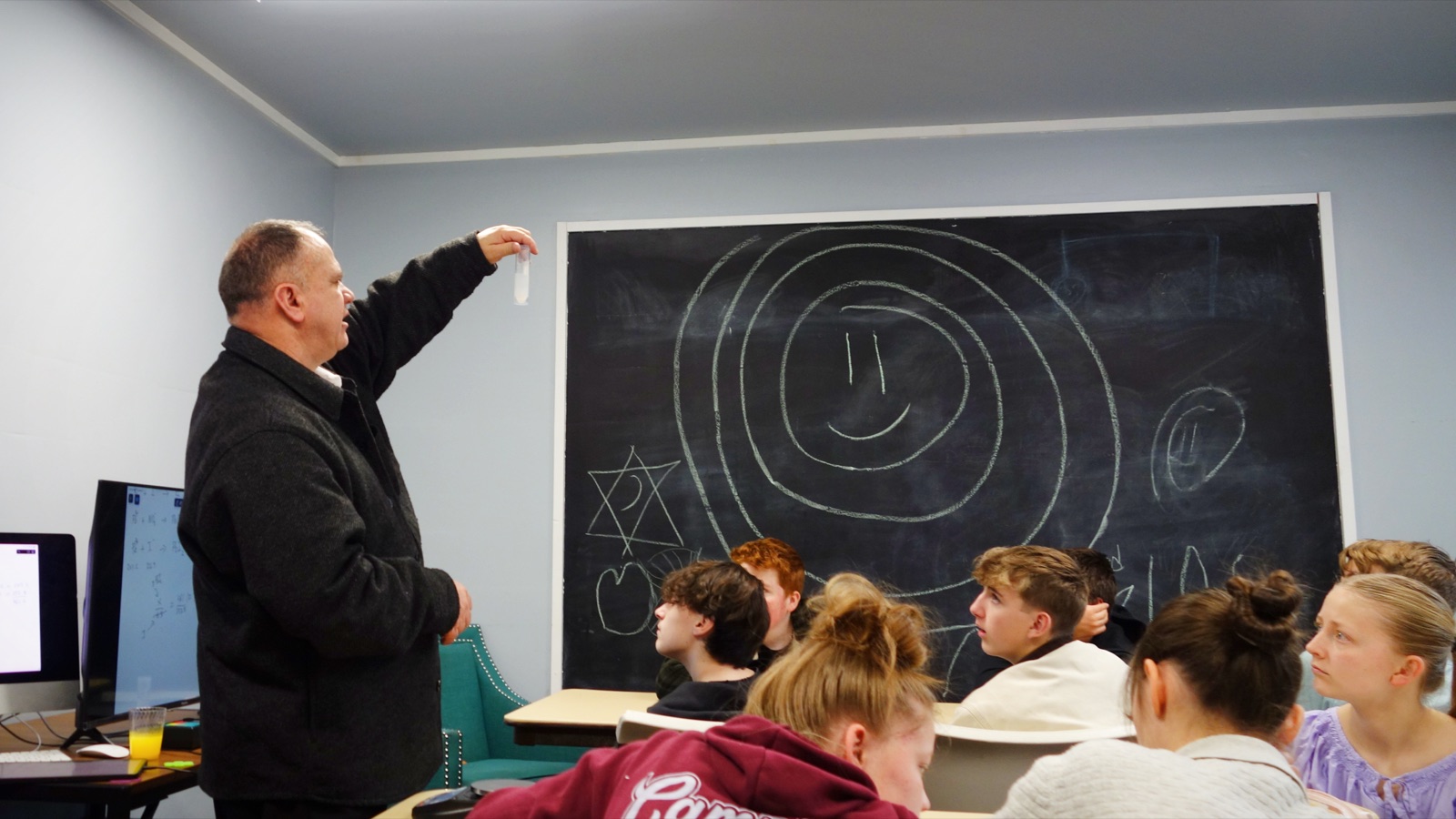
Founder and lead teacher
Gesse Rosa
An engineer and physicist who published research in biomedical engineering before turning fully to teaching. He insists every student can understand mathematics deeply rather than memorize it, and he texts parents the moment something worth knowing happens in class.
- EducationBrigham Young University, Chemical Engineering (2000)
University of Utah, Chemistry (2005) and Physics (2009) - TeachesIntro to Math through Pre-Calculus, ACT Prep, Chemistry Lab, Statistics, Physics 1, Portuguese
- Contact385-384-5501 · grosa.classes@gmail.com
Research publications
- Sukavaneshvar, S.; Zheng, Y.; Rosa, G. M.; Mohammad, S. F.; Solen, K. A. “Thromboembolization Associated with Sudden Increases in Flow in a Coronary Stent Ex Vivo Shunt Model.” ASAIO Journal 46(3):301–304, May 2000.
- Sukavaneshvar, S.; Rosa, G. M.; Solen, K. A. “Enhancement of Stent-Induced Thromboembolism by Residual Stenoses: Contribution of Hemodynamics.” Annals of Biomedical Engineering 28, 182–193 (2000).
Assistant teacher
Conner Darling
An artist, designer, and mathematician who began as Gesse's student at thirteen, was assisting in classes by fourteen, and started teaching his own sections in 2025. He teaches the way a designer works: the problem first, the tools second, and the proof that it holds at the end.
- TeachesPre-Algebra and Intro to Math, Logic & Geometry (Provo, Tuesdays)
- TrainingArchitecture, on the NCARB path
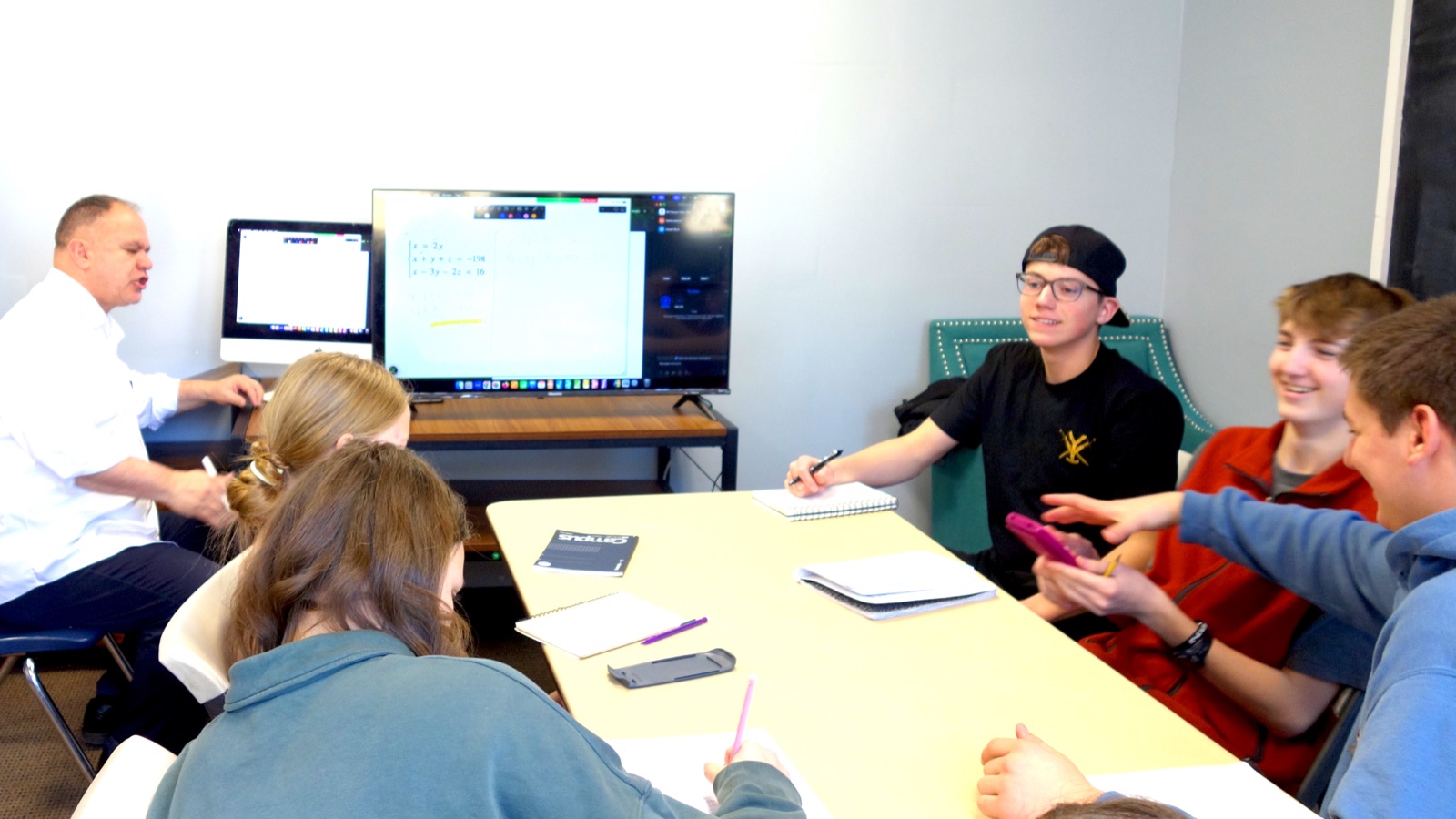
Fitted to the student
Small sections and free tutoring mean the teacher knows where each student is. Progress follows readiness, not the calendar.
Understanding over recall
Projects in architecture, contracting, economics, and physics give every technique a reason to exist.
Parents in the loop
Test results, missed homework, and real progress are shared directly, often the same day.
Outcomes that transfer
Students typically reach college-ready ACT and SAT math scores early.
Our approach
Rigour at the student's pace.
The sequence is fixed. The speed is not. A course takes the school year, but a student who is ready moves ahead, and one who needs a second week on factoring gets it.
Partner instructor
Stephanie Olmo
An educator of eighteen years with a BS from Brigham Young University and an MBA from the University of Colorado. She teaches AP Business & Personal Finance through Sun Peak Academy.